15 Nov 2026
Design Elements in Handheld Gaming Apps: Tracing Their Impact on Choices Amid Extended Progressive Reel Engagements
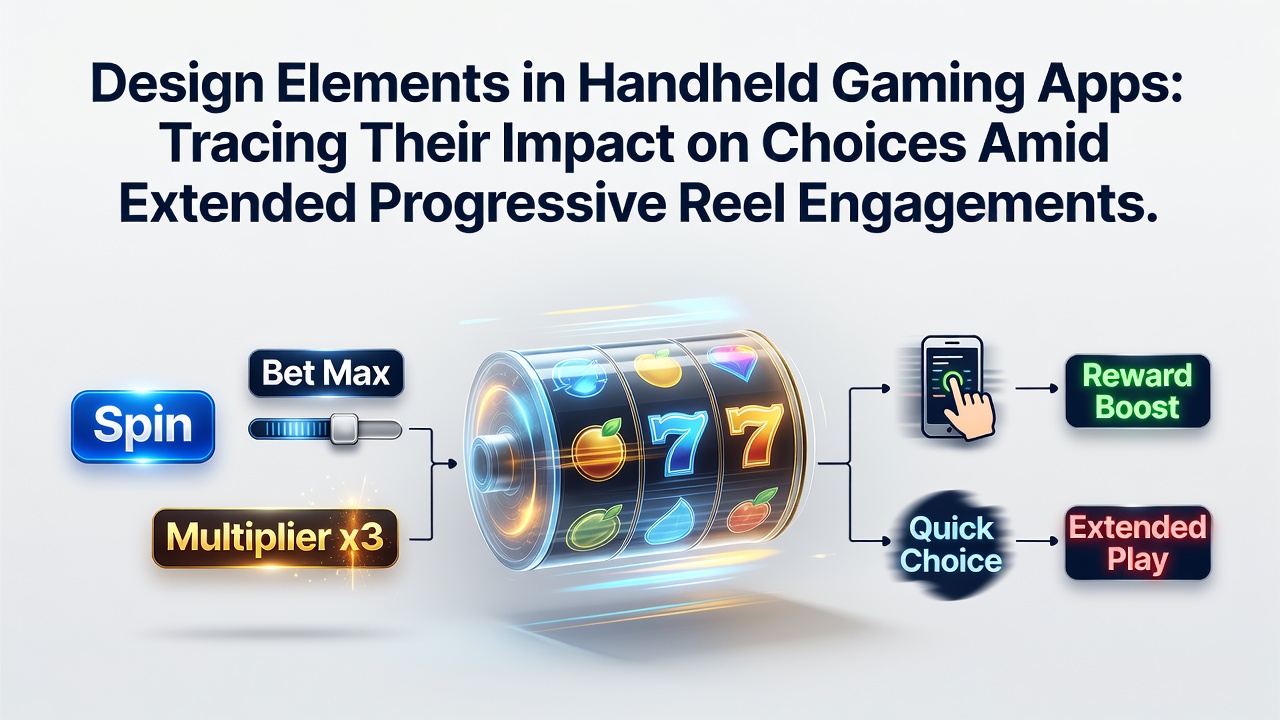
Design elements in handheld gaming apps shape user interactions with progressive reel mechanics through structured visual hierarchies, responsive touch zones, and layered information displays that guide decision points during extended sessions. Industry data from regulatory filings and platform analytics show that these components influence how players select bet sizes, activate bonus features, and determine when to continue or exit gameplay sequences. Researchers at academic institutions have documented correlations between interface layouts and session durations across multiple device types, noting that specific color palettes and animation timings align with increased engagement in jackpot accumulation systems.
Visual Hierarchy and Color Application in Reel Interfaces
Color gradients and contrast ratios in progressive reel displays direct attention toward accumulating prize meters while maintaining visibility of bet controls and paytable access points. Studies conducted by university research groups reveal that warm tone combinations around jackpot counters correlate with prolonged viewing periods, whereas cooler background schemes reduce visual fatigue during multi-hour engagements. Observers note that developers integrate these palettes into theme-based environments, allowing seamless transitions between base game spins and bonus rounds without disrupting flow.
Icon sizing and spacing further contribute to choice architecture, as larger tap targets for spin buttons minimize accidental inputs while smaller secondary elements like auto-play toggles remain accessible yet non-intrusive. Data indicates that platforms optimizing these ratios experience measurable differences in average spins per session compared to those with denser layouts.
Animation Timing and Feedback Loops
Reel spin durations, symbol highlight sequences, and win celebration animations operate within precise millisecond ranges that studies link to sustained player focus. Short, rhythmic spin cycles paired with escalating audio cues during progressive meter growth create continuous feedback that aligns with decision moments about stake adjustments. Those who've analyzed session logs find that extended animations around near-miss outcomes appear more frequently in applications where players maintain longer play intervals before pausing.
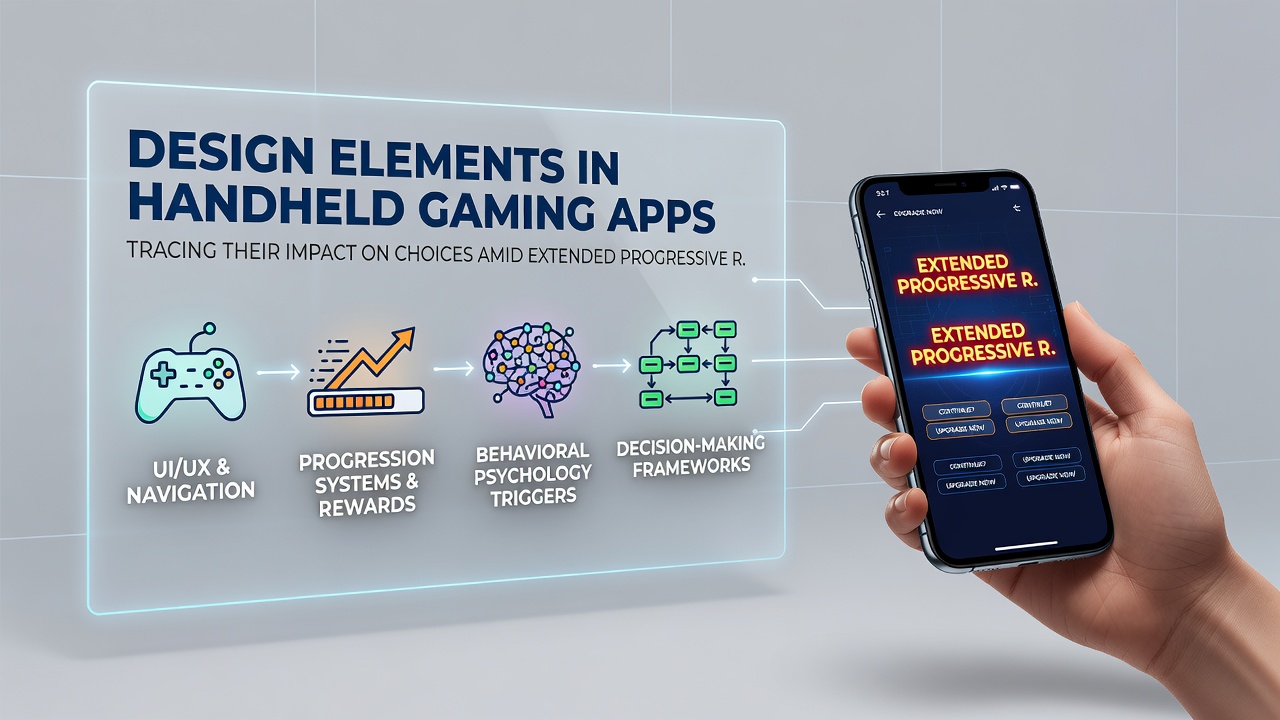
Particle effects and transition overlays between game states provide additional layers of information without requiring separate menu navigation, enabling players to track multiplier builds or feature triggers in real time. Platform reports compiled in late 2025 demonstrate that these elements integrate with device-specific rendering capabilities, adjusting frame rates to maintain consistency across varying hardware specifications.
Layout Adaptations and Touch Interaction Patterns
Screen orientation handling and dynamic resizing protocols allow progressive reel interfaces to reposition control clusters when users switch between portrait and landscape modes mid-session. Analysts reviewing usage metrics across North American and European markets observe that flexible layouts correspond with fewer interruptions, supporting continuous engagement with accumulating jackpot pools. Touch response calibration, including pressure sensitivity and gesture recognition for swipe-based bet changes, further refines how players execute strategic choices during extended sequences.
Information panels displaying current progressive values, recent win histories, and contribution rates occupy dedicated screen regions that expand or collapse based on interaction frequency. According to findings from the Nevada Gaming Control Board compliance reviews, these adaptive panels help maintain transparency regarding contribution mechanics without requiring players to exit active reels.
Information Density and Decision Support Features
Paytable expansions, probability indicators, and historical performance graphs appear as optional overlays that users activate through persistent menu icons. Research papers from Canadian academic centers on digital entertainment systems indicate that moderate information density supports informed stake selections while excessive detail correlates with quicker session terminations. Progressive reel applications often embed these tools within contextual tooltips that surface during specific reel states, delivering targeted data at relevant decision points.
Sound design complements visual cues through layered audio tracks that escalate in complexity as jackpot thresholds approach, providing an additional channel for players monitoring long-term progress. Industry associations tracking mobile gaming trends report that synchronized audio-visual systems appear across multiple jurisdictions where handheld platforms operate under standardized technical requirements.
Conclusion
Design elements in handheld progressive reel applications function as interconnected systems that shape interaction patterns through visual, auditory, and tactile channels. Platform data and regulatory documentation continue to track how these components evolve alongside device advancements and player behavior metrics, particularly as markets expand into 2026. Observers continue monitoring these developments to understand their role in extended engagement dynamics across diverse regulatory environments.