18 Oct 2026
Interface Arrangements Directing Choices in Handheld Accumulator Gaming Systems

Accumulator games on smartphones rely on layered reel mechanics where wins build progressively across multiple rounds, and interface layouts play a central role in how players allocate bets and select features. Data from industry reports show that screen organization affects response times and feature activation rates, with players adjusting stakes more frequently when key controls sit within thumb reach. Studies conducted in 2025 by research groups in Canada and Australia indicate that vertical scrolling menus paired with persistent balance displays lead to longer session durations compared to horizontal tab structures.
Design elements such as fixed-position spin buttons, expandable paytable panels, and real-time multiplier trackers guide the sequence of decisions users make during play. According to findings published by the European Gaming Research Association, layouts that cluster bonus selectors near the main reel area increase the frequency of feature purchases by measurable margins. Those who have examined mobile telemetry logs note that accumulator mechanics, which tie progressive jackpots to cumulative bet totals, become more accessible when the interface presents running totals without requiring additional taps.
Core Components of Accumulator Interfaces on Mobile Devices
Smartphone accumulator platforms typically feature a central reel display surrounded by contextual controls that update dynamically based on bet levels. Researchers at several academic institutions have mapped how the placement of auto-play toggles and stake adjustment sliders influences the speed at which users escalate wagers during winning streaks. In October 2026, updated platform analytics from multiple operators revealed that interfaces incorporating swipe gestures for reel acceleration correlate with higher average bet sizes per spin in accumulator modes.
Visual hierarchy matters because accumulator games often display layered prize ladders that expand as bets accumulate. When these ladders occupy the lower third of the screen, players tend to reference them more often before confirming each round. Observers tracking engagement patterns across regions report that European and Asian markets show distinct preferences for compact versus expanded information panels, with compact designs reducing decision latency in high-volatility titles.
Strategic Pathways Shaped by Layout Variations
Players encounter branching choices at several points in an accumulator session, and layout positioning steers which options receive priority. For instance, when the progressive jackpot meter anchors to the top edge, users allocate resources toward longer sessions rather than frequent cash-outs. Figures released by the Australian Institute of Gaming Studies demonstrate that repositioning the cash-out prompt closer to the spin control raises early-exit rates during losing sequences.
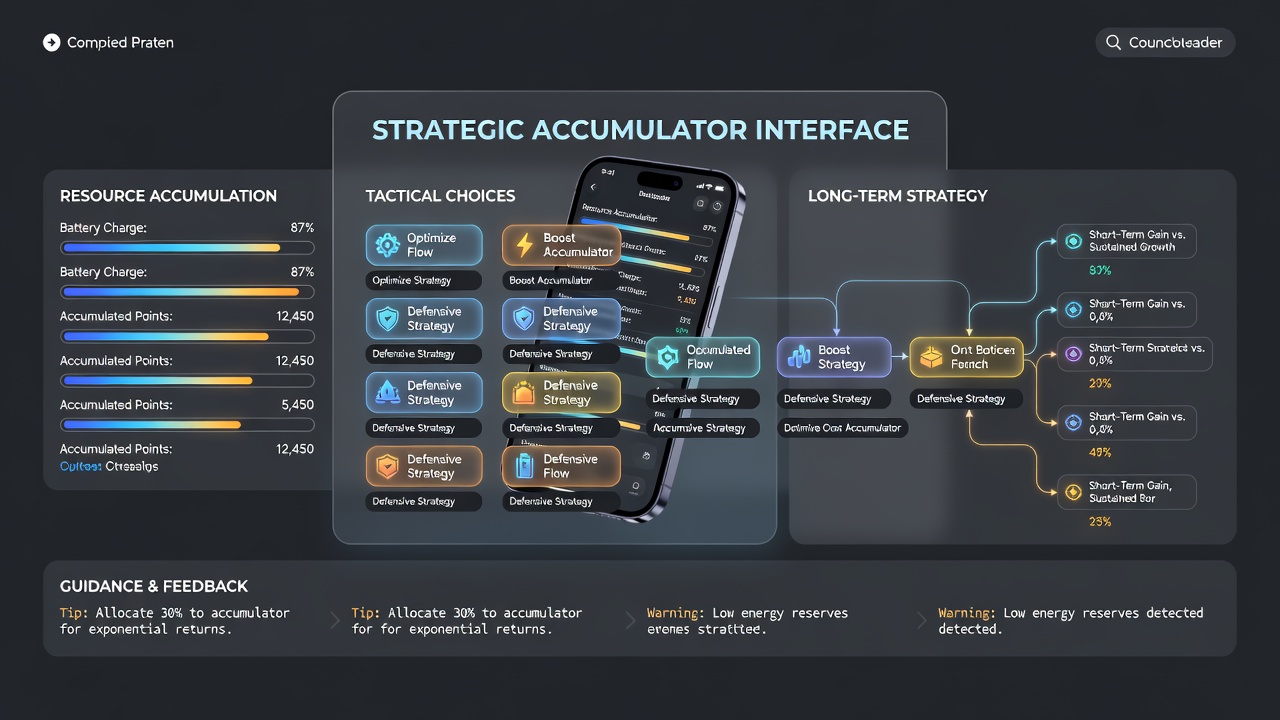
Touch-target sizing and spacing also affect outcomes. Larger, well-separated buttons for multiplier selections encourage experimentation with higher-risk accumulator paths, whereas clustered smaller controls favor conservative play. Industry data compiled through 2026 shows regional differences, with North American users responding more readily to prominent quick-bet presets while users in other markets engage more with customizable stake wheels.
Evidence from Platform Analytics and User Studies
Telemetry collected across thousands of sessions indicates that accumulator interfaces with persistent history logs positioned on the left side of the screen prompt more frequent strategy adjustments mid-session. A joint report issued by Canadian and Singaporean research bodies found that color-coded progress indicators tied to accumulator thresholds increase the likelihood of continued play once a threshold nears completion. These patterns hold across different device orientations, though landscape modes introduce additional variables in control reachability.
Payment integration points embedded directly within the game flow further shape choices. When deposit or balance top-up options appear adjacent to the accumulator meter, users extend sessions at higher average stakes, according to aggregated operator metrics shared at international gaming conferences. The placement of regulatory compliance notices, such as responsible gaming reminders, also factors into pacing, with non-intrusive footer placements showing minimal disruption to strategic flow.
Conclusion
Interface layouts in smartphone accumulator games function as decision frameworks that channel player attention toward specific mechanics and timing choices. Research across multiple jurisdictions continues to document how variations in control placement, information density, and visual anchoring produce measurable differences in bet progression and feature engagement. As platforms refine these arrangements through ongoing testing, the connections between screen organization and strategic behavior remain a focal point for developers and analysts tracking mobile gaming trends into late 2026.